- Open 24 Hours Mon–Sat
- contact@jkplumbingsf.com
- +1 (415) 359-4588
- CA License #1080266

A water tank cleaning service in San Francisco, CA removes sediment, biofilm, and bacteria from residential storage tanks, rooftop tanks, and commercial water systems. Regular cleaning and disinfection protects water quality, extends tank life, and helps buildings stay compliant with San Francisco’s plumbing and fire codes.
By Alik Yonatanov, Owner & Master Plumber · Last updated 13th August 2026
Why is water tank cleaning important? Because a tank that goes uncleaned quietly collects sediment, rust, and biofilm — and under the wrong conditions, that buildup is exactly where bacteria like Legionella take hold. Most homeowners never think about the tank sitting on their roof or in their basement until the water coming out of it looks or smells off. By then, it’s usually overdue.
What Does JK Plumbing’s Water Tank Cleaning Service Include?
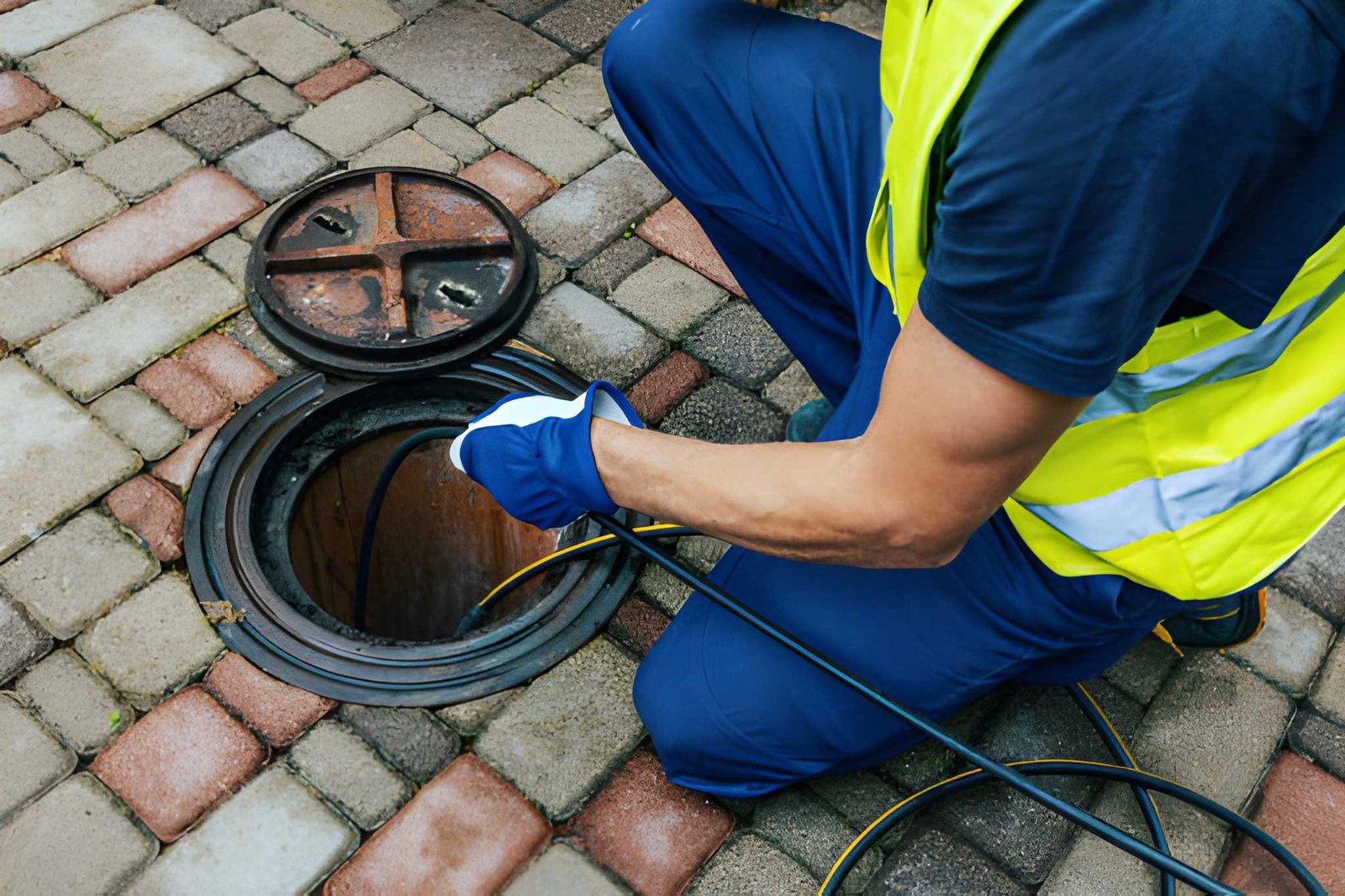
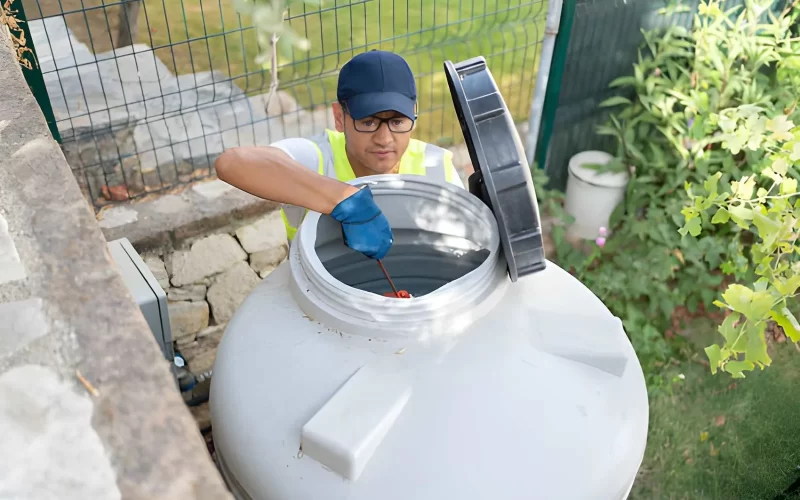
Maybe you searched for water tank cleaning near me San Francisco. Or maybe you searched for the best water tank cleaning service near me San Francisco CA. Here’s exactly what our crew does on-site. Every job starts with draining the tank. Next, we inspect the interior for scale, rust, sediment, and biofilm buildup along the walls and floor. We physically scrub the interior surfaces and pressure-rinse the debris out. Then we apply an approved sanitizing solution for water tank disinfection San Francisco CA property owners can trust. We let it sit for the proper contact time, then rinse and refill the tank. Before we leave, we check the float valve, fittings, and any connected piping, and confirm the water tests clean.
That full sequence is what separates real water tank cleaning San Francisco CA service from a quick rinse-and-go. Skipping the disinfection step, or not letting the sanitizer sit long enough, leaves a problem behind. The exact biofilm layer that caused the issue stays in the tank.
Why San Francisco’s Building Stock Is Creating More Tanks to Maintain
This isn’t a one-size-fits-all city, and neither is the water tank cleaning it needs. Two very different housing eras in San Francisco are driving the current demand.
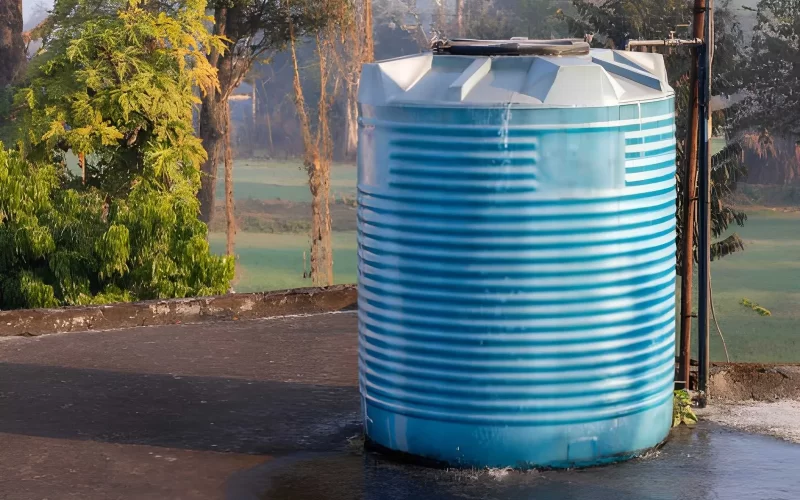
First, the older housing stock. We do a lot of work in San Francisco’s Victorians and Edwardians. Original galvanized supply lines and older in-home storage setups are still common there. It’s the same infrastructure our crews already work around for water heater and sewer jobs. Homeowners in these buildings also increasingly keep dedicated emergency water storage tanks in a garage or basement for earthquake preparedness. Those tanks sit untouched for months or years at a time. That makes them some of the most overdue water storage tank cleaning San Francisco jobs we see.
Second, code is driving new construction. San Francisco has an ordinance requiring automatic sprinklers in roughly 126 pre-1975 residential high-rises. These buildings cluster in neighborhoods like Nob Hill, Russian Hill, Pacific Heights, and the Financial District. The ordinance is pushing many of these buildings toward new on-site fire-water storage tanks. Some go on the roof deck; others go in the basement. The San Francisco Building Code already sets the bar for these installations. Any tank over 500 gallons on a roof deck needs engineered support meeting Section 2304.11. Once a building installs a tank like that, it still needs a cleaning and disinfection schedule. A new tank sitting full of stagnant water is exactly the condition to avoid. The CDC’s guidance on Legionella control in building water systems warns building owners about it directly.
Maybe you own a Victorian with an aging cistern, or a high-rise adding its first fire tank. Either way, this should be part of the maintenance plan from day one. Water storage tank cleaning San Francisco California property owners rely on shouldn’t be an afterthought.
How Much Does Water Tank Cleaning Cost in San Francisco?
Pricing depends on tank size, material, and how crews access the tank — rooftop, basement, or crawlspace jobs all price differently. As of August 2026, a standard residential storage tank typically runs $250–$600 for a full drain, scrub, and disinfection. Larger commercial or fire-suppression tanks often run $900–$3,000 or more, depending on size and testing requirements. Call (415) 359-4588 for a firm, written quote.
How Often Should a Water Tank Be Cleaned?
You should drain and clean most residential storage tanks about once a year. Tanks that sit mostly idle — earthquake-preparedness tanks especially — benefit from a check every 6 to 12 months. Standing water is where sediment settles fastest. This is separate from your water heater tank. That tank builds up its own sediment layer and is worth flushing on a similar schedule. If yours is due for more than a flush, our water heater replacement team can walk you through options. Our recent breakdown of water heater installation costs in San Francisco covers what that job typically runs.
Where We Provide Water Tank Cleaning Across San Francisco
We service storage tanks, rooftop tanks, and fire-suppression tanks throughout San Francisco. That includes Nob Hill, Russian Hill, Pacific Heights, the Financial District, and SoMa. We also cover Burlingame, Millbrae, San Mateo, and Daly City on the Peninsula. Our crews already handle water pump repair and heat pump water heater work across these same neighborhoods. That means tank access — roof hatches, tight basement crawlspaces, HOA scheduling — is rarely a surprise for us. You can browse our full lineup on the JK Plumbing services page.
Frequently Asked Questions
How much does water tank cleaning cost in San Francisco, CA?
Pricing depends on tank size, material, accessibility, and whether disinfection and a water-quality test are included. As of August 2026, typical pricing for a standard residential storage tank runs $250–$600, while larger commercial or fire-suppression tanks often run $900–$3,000 or more. JK Plumbing provides a written estimate before any work begins.
How often should a water storage tank be cleaned?
Most residential storage tanks should be drained, inspected, and cleaned once a year. Idle tanks — like earthquake-preparedness storage — benefit from a check every 6 to 12 months, since sediment and biofilm build up fastest in standing water. Commercial and fire-suppression tanks typically follow a more frequent inspection and flushing schedule as part of a building’s water management plan.
Why is regular water tank cleaning important?
Sediment, rust, and biofilm accumulate in any tank that isn’t cleaned on a schedule. That buildup degrades water quality, corrodes fittings from the inside, and in stagnant conditions can allow Legionella and other bacteria to grow. Regular cleaning protects both water quality and the tank’s mechanical lifespan.
What is involved in water tank disinfection?
After the tank is drained and physically scrubbed, we apply an approved sanitizing solution to the interior surfaces, let it sit for the required contact time, then rinse and refill the tank with potable water. A water-quality check confirms the tank is safe to return to service.
Is water tank cleaning required for commercial buildings?
Requirements vary by building type and tank use. Buildings with fire-suppression storage tanks fall under San Francisco Building and Fire Code maintenance provisions, and buildings with complex domestic water systems are increasingly expected to follow a water management program consistent with CDC guidance on Legionella prevention. JK Plumbing can help commercial property owners confirm what applies to their building.
Visit or Call JK Plumbing
JK Plumbing 1008 Edwards Rd, Burlingame, CA 94010 Phone: (415) 359-4588 Hours: Monday–Saturday: Open 24 Hours | Sunday: Closed CA License #1080266
Serving San Francisco — Nob Hill, Russian Hill, Pacific Heights, Financial District, and SoMa — plus Burlingame, Millbrae, San Mateo, Daly City, and the rest of the San Mateo County Peninsula.
Whether it’s a rooftop tank, a basement earthquake-preparedness tank, or a commercial fire-suppression system, JK Plumbing handles the drain, scrub, disinfection, and refill in one visit.
RECENT POSTS