- Open 24 Hours Mon–Sat
- contact@jkplumbingsf.com
- +1 (415) 359-4588
- CA License #1080266

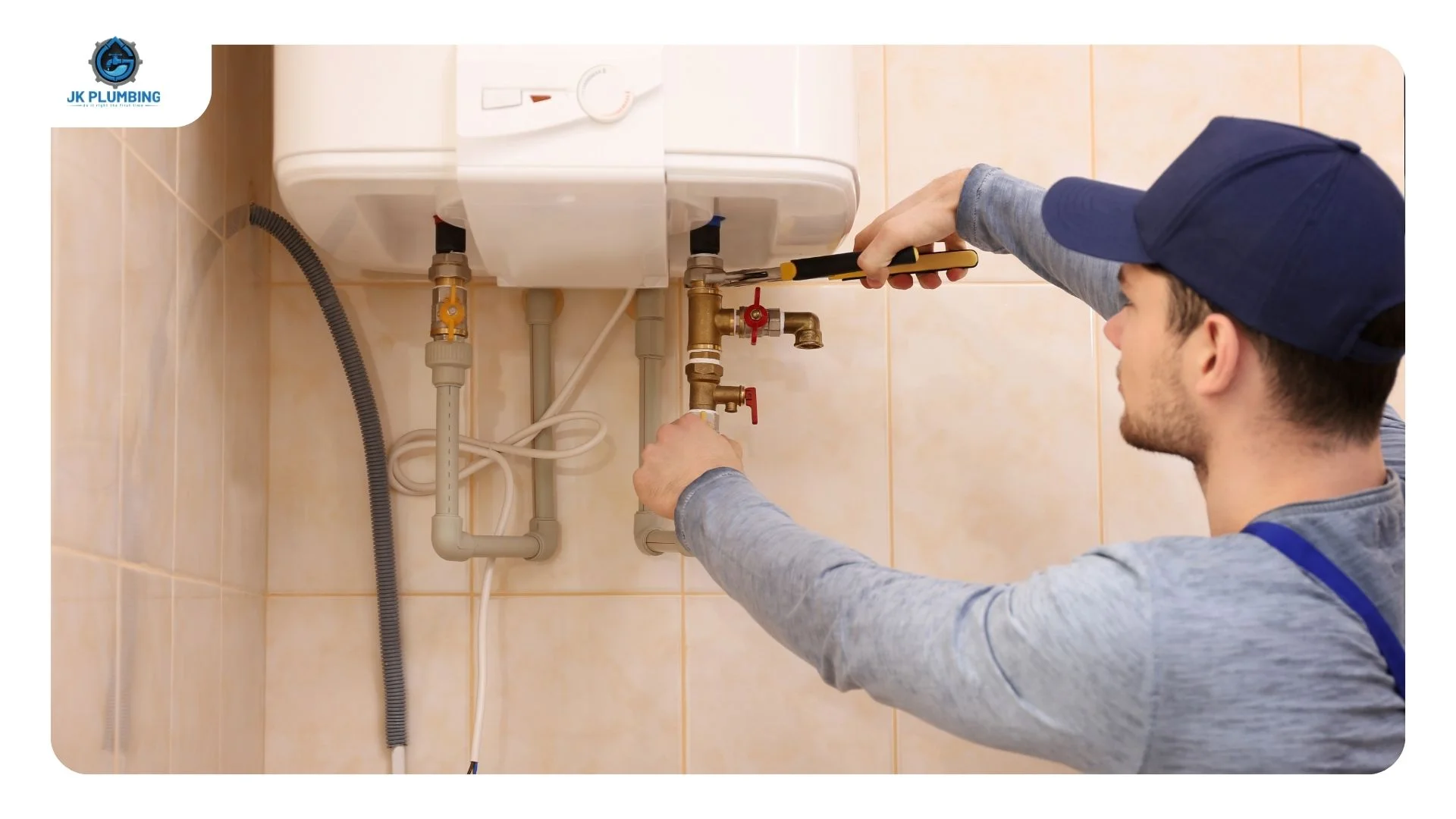
Most water heaters in South San Francisco need replacing somewhere between 8 and 12 years old. JK Plumbing replaces tank, tankless, and heat pump units across South San Francisco — Sunshine Gardens, Buri Buri, Westborough, Avalon-Brentwood, and Old Town — and pulls the city permit on every job. Call (415) 359-4588 for an assessment.
By Alik, Owner & Master Plumber · Last updated October 2026
How long should a water heater last here — and what does failing look like?
Manufacturers quote 8 to 12 years for a standard tank, and that matches what we pull out of South San Francisco garages. The units that make it past 12 are almost always ones that got flushed every year or two. The ones that die at 7 usually sat with a spent anode rod for half their life.
Age alone isn’t the trigger, though. These are the signs that actually move a unit from “watch it” to “replace it”:
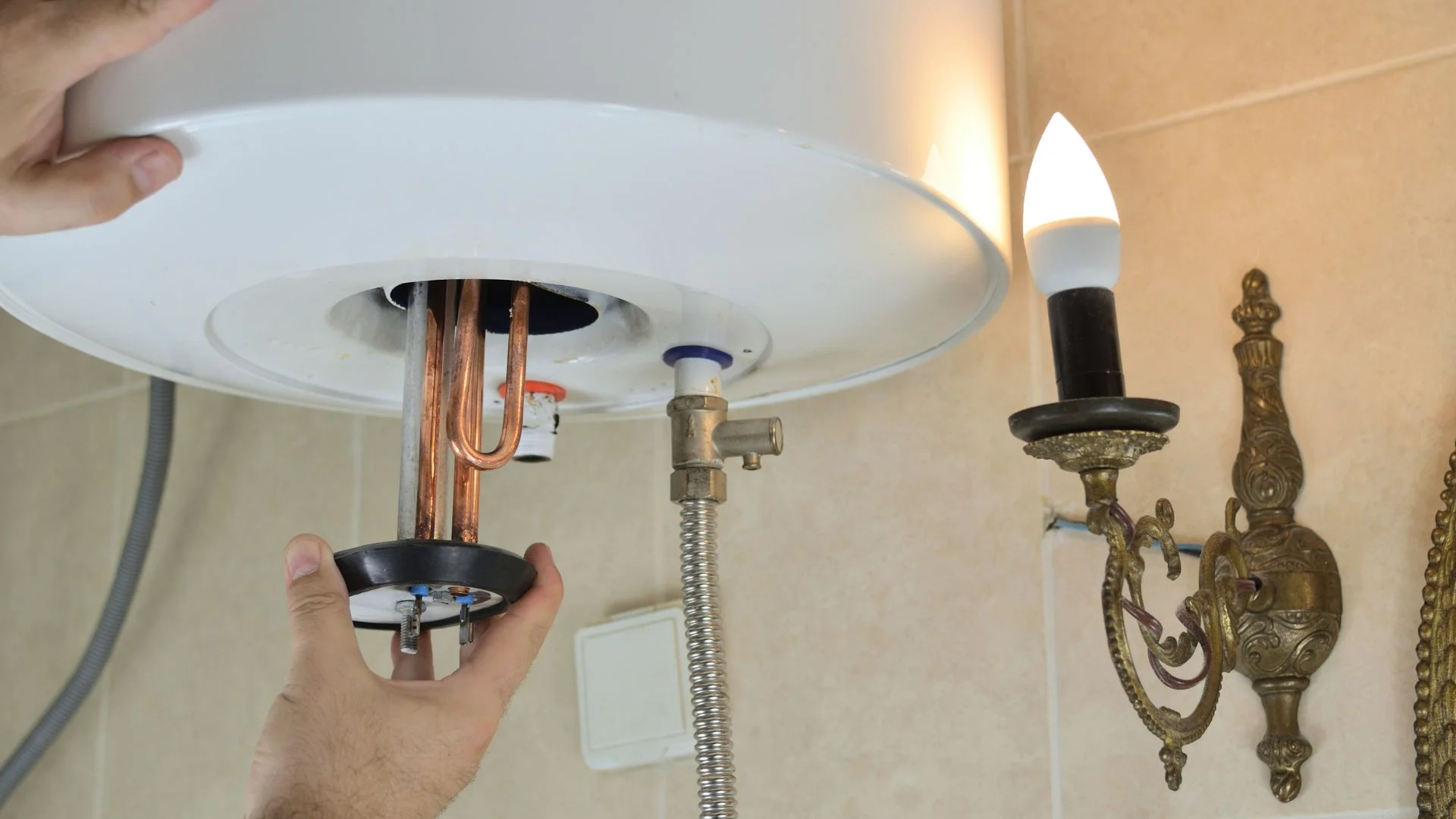
- Rusty or metallic-tasting hot water. If only the hot side runs brown, the tank’s glass lining has failed. That is not repairable.
- Water pooling around the base. A weeping tank seam is terminal; a leaking fitting or T&P valve is not. This one needs eyes on it before you panic.
- Rumbling or popping during a heating cycle. Sediment has hardened on the tank floor and the burner is boiling water underneath it. Often fixable once; rarely fixable twice.
- Hot water running out faster than it used to. Usually sediment stealing tank volume, sometimes a failed dip tube.
- A pilot or burner that keeps dropping out, or an upper element that fails within months of the lower one on an electric unit.
- The manufacture date buried in the serial number. Most brands encode year and week in the first four digits. If you want the full breakdown on reading yours, we covered it in how often a water heater should be replaced.
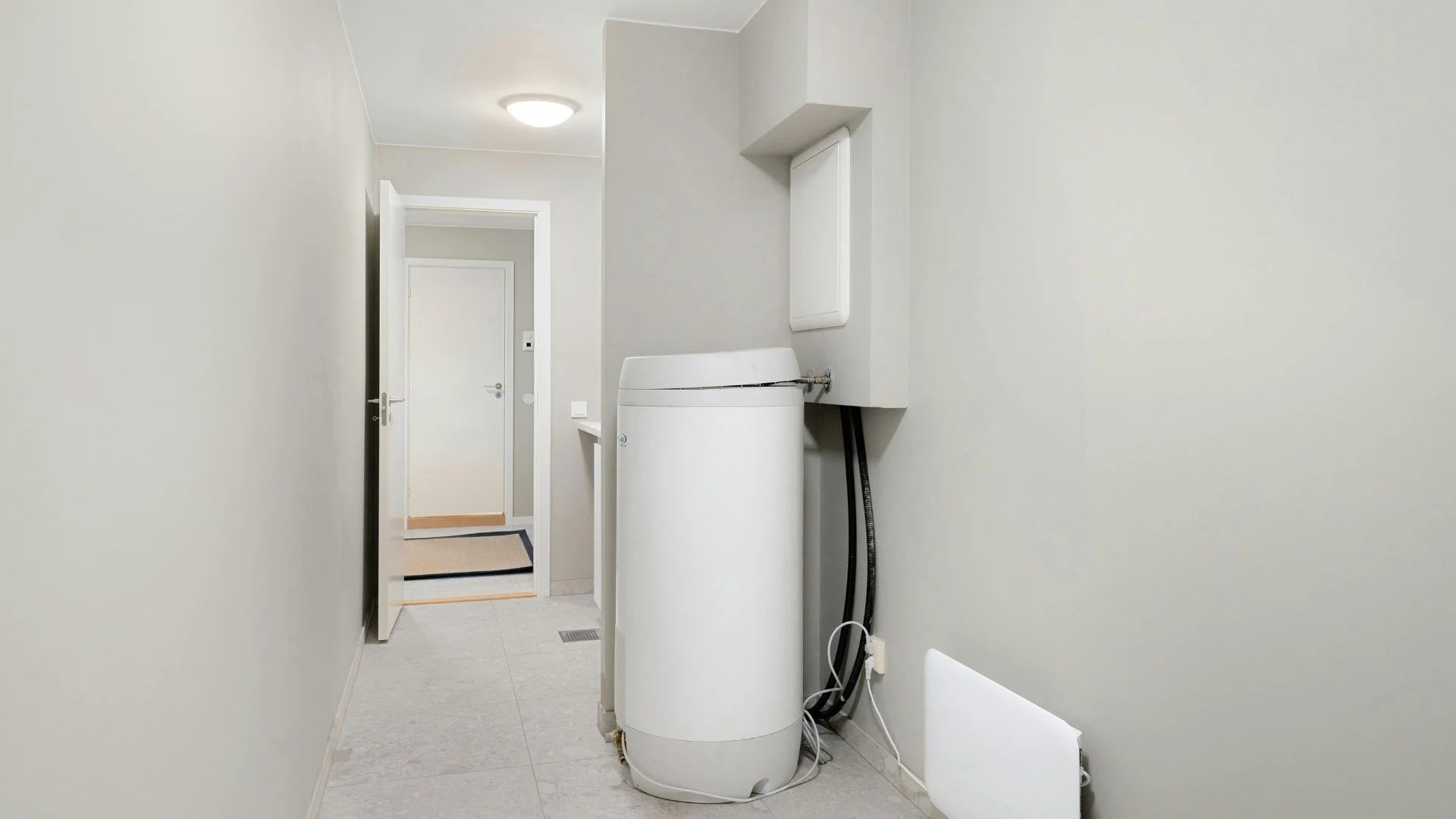
One thing specific to this area: most South San Francisco water heaters sit in an attached garage, where a slow seam leak tracks to the floor drain instead of into living space. We find more silent failures here than in San Francisco flats, where a leak shows up on a ceiling the same day.
What size water heater does your household actually need?
Gallons are the number everyone asks about. First-hour rating is the one that matters — how much hot water the unit delivers during your busiest hour. Two 50-gallon heaters can have first-hour ratings 20 gallons apart.
A working starting point for a gas tank:
| Household | Typical tank size | Notes |
|---|---|---|
| 1–2 people | 30–40 gallons | One bathroom, staggered showers |
| 3–4 people | 40–50 gallons | The standard South San Francisco tract-home size |
| 5+ people, or 2+ full baths | 50–75 gallons | Or a tankless unit if gas supply allows |
Two adjustments we make constantly on jobs here:
If you’re going from gas to a heat pump, size up. A heat pump water heater recovers more slowly than a gas burner. A household comfortable on a 40-gallon gas tank usually wants a 50- or 65-gallon heat pump unit to get the same morning experience. Swapping like-for-like on gallons is the single most common sizing mistake we see on electrification jobs.
Check the room before you check the math. A heat pump unit is taller than the gas tank it replaces, pulls heat from the surrounding air, and needs a condensate drain plus a 240V circuit. A closet rarely works without ducting. South San Francisco has an advantage here: the post-war tract homes in Sunshine Gardens, Buri Buri, and Winston Manor nearly all have attached garages with the tank already sitting in open air. The constraint is usually the electrical panel, not the space — plenty of those 1950s houses are still on original service, so we check capacity on the first visit, not on install day.
Repair or replace: how we decide on a South San Francisco job
Three inputs, not one.
Age against the repair. Under 8 years, a thermocouple, gas control valve, or element is worth fixing. Past 10, any repair touching the tank — or costing a meaningful fraction of a new unit — is money spent on something that fails again within two years.
Whether the tank is compromised. A failed glass lining or weeping seam ends the conversation. Everything bolted to the outside of the tank is replaceable; the tank is not.
What happens next time it goes. A unit above finished living space changes the risk calculus. In a garage with a drain, you have room to plan. If your 9-year-old heater is running fine out there, it is reasonable to schedule the replacement rather than rush it.
If you’re still in diagnostic territory rather than replacement territory, what to expect from a water heater repair visit here walks through the other side of it. Our water heater repair and water heater replacement pages cover both paths in more detail.
The 2027 zero-NOx rule changes the math right now
This is the part most South San Francisco homeowners haven’t heard yet, and it affects anyone whose heater is in its last couple of years.
The Bay Area Air District adopted amendments to Regulation 9, Rule 6 in March 2023 setting a zero-NOx standard for newly installed residential water heaters, originally effective January 1, 2027. In July 2026 the Air District published draft amendments that would push that date to January 2028 and add exemptions for low-income property owners and for homes where electrical panel or physical space constraints make the switch especially difficult. The Board of Directors is scheduled to consider those changes on November 4, 2026.
What that means practically:
- The rule applies at the point of replacement, not to units already installed. Nobody is making you tear out a working gas heater.
- Until the Board votes, January 1, 2027 is still the operative date. Plan around it; treat a delay as a bonus.
- After the compliance date, a replacement in the standard residential size class has to meet the zero-NOx standard — which in practice today means a heat pump water heater.
If your tank is 10 or 11 years old, that reframes the decision: it is no longer replace now versus replace later. It is replace on your schedule, with time to handle a panel upgrade and claim rebates — or replace on an emergency timeline under whatever rule is in force that week.
On rebates: under Peninsula Clean Energy’s May 2026 terms, San Mateo County homeowners replacing a gas, propane, or oil unit with a heat pump water heater qualify for a $3,500 PCE rebate, with BayREN Home+ money layerable on top and a separate rebate toward a panel upgrade. Levels change, so we confirm current amounts before you commit. Our heat pump water heater page covers how those installs go.
What replacement day looks like in South San Francisco
A permit is required. We pull a plumbing permit through the South San Francisco Building Division on Maple Avenue — that is not optional, and an unpermitted swap becomes your problem at resale.
Code items we handle on every South San Francisco replacement:
- Two seismic straps, one in the top third of the tank and one in the bottom third, with the lower strap set at least four inches above the controls, per California Plumbing Code 507.2. This matters more here than most places — the San Andreas fault runs along the reservoir chain just west of town, under a mile from parts of Westborough and Serra Highlands.
- An expansion tank where the house has a pressure regulator creating a closed system, which is most of the Peninsula.
- Correct drain pan and discharge routing, earthquake-rated gas flex connector, and a proper T&P discharge line.
- Haul-away and decommissioning documentation — which you need anyway if you’re claiming a Peninsula Clean Energy rebate.
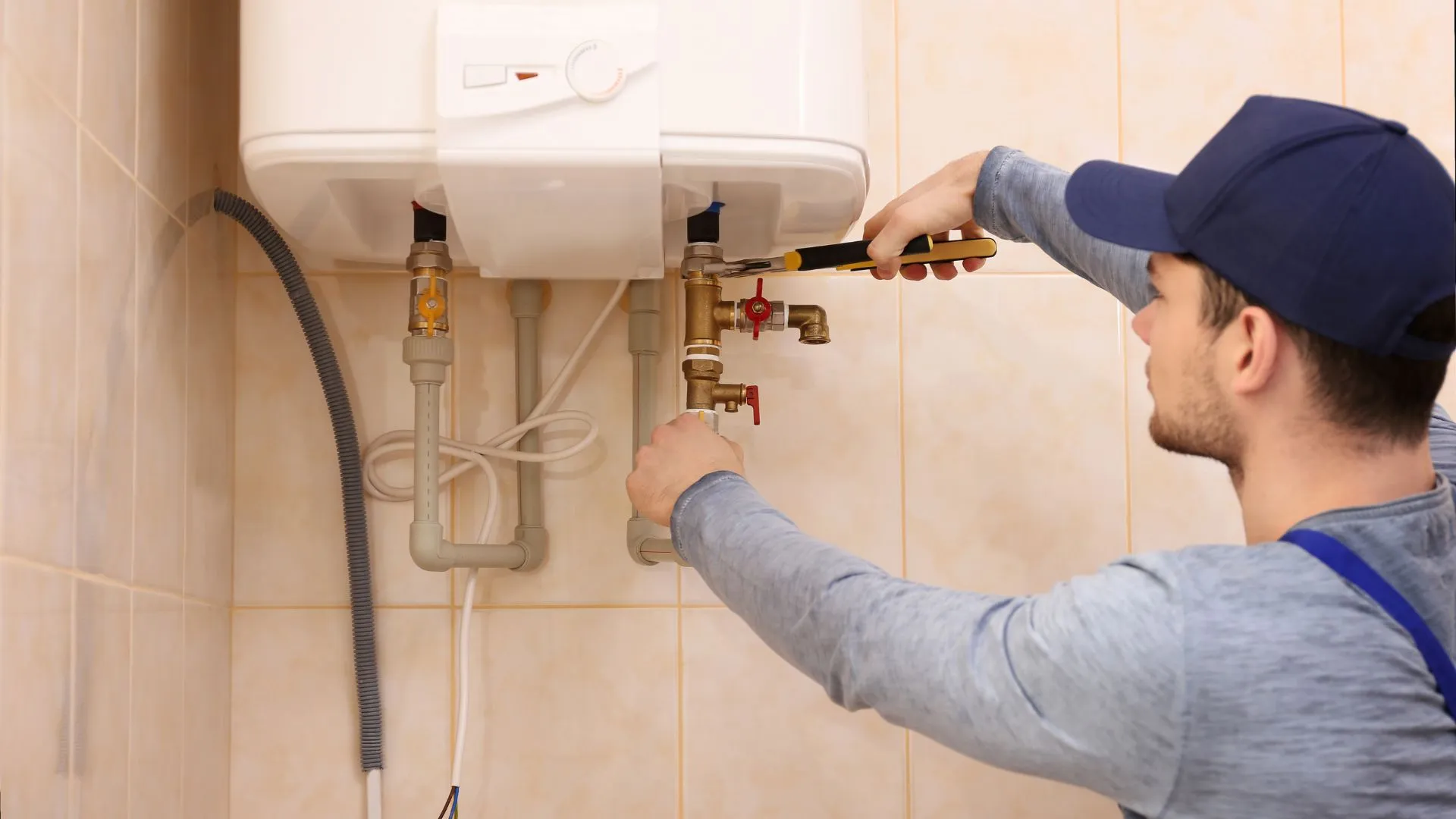
Straightforward tank-for-tank swaps are a same-day job. Gas-to-heat-pump conversions run longer because of the electrical and condensate work; if a panel upgrade is needed we schedule that first rather than leave you without hot water in between.
One South San Francisco customer summed up the part that matters most to us: we “responded quickly, explained everything clearly,” then finished the job. That is the whole standard.
Where we work in South San Francisco
We replace water heaters across the whole city: Sunshine Gardens, Buri Buri, Westborough, Avalon-Brentwood, Winston Manor, Serra Highlands, Paradise Valley, Mayfair, Old Town, Orange Park, and the Sign Hill side. Dispatch is from Burlingame, so a South San Francisco call is a short run up El Camino or the 101.
Surrounding coverage includes San Bruno, Millbrae, Colma, Brisbane, Daly City, Burlingame, and Hillsborough, plus San Francisco proper. For the install side, see how water heater installation works in South San Francisco; further south, when to choose water heater replacement in Palo Alto covers the same decision in different housing stock.
Frequently asked questions
How long should a water heater last before replacement?
Eight to twelve years for a standard tank, 15 to 20 for a well-maintained tankless unit, and 12 to 15 for most heat pump models. Annual flushing and a replaced anode rod at the midpoint are what push a tank toward the top of that range instead of the bottom.
What are the warning signs mine is about to fail?
Rusty hot water, water pooling at the base, rumbling during heating cycles, hot water running out faster than it used to, and a burner or element that keeps failing. Rusty water and a weeping tank seam both mean the tank itself is gone — those are replacement, not repair.
What size water heater do we actually need?
For most South San Francisco households, 40 to 50 gallons covers three to four people with one or two bathrooms. Check first-hour rating rather than gallons alone, and if you’re moving from gas to a heat pump, go up one size to account for slower recovery.
Is it worth repairing an older unit or replacing it outright?
Under eight years, repair is usually the right call. Past ten, a repair that touches the tank or costs a significant share of a new unit is throwing money at a short runway — especially with the zero-NOx compliance date approaching. We give you the honest version on site, in writing, before any work starts.
Do you offer financing for a replacement?
Yes. We offer financing on water heater replacements, and we’ll walk you through it at the quote. Separately, Peninsula Clean Energy runs a zero-interest loan program for San Mateo County homeowners doing electric upgrades, which can be combined with the heat pump rebates.
Visit or Call Us
JK Plumbing
Adress:1008 Edwards Rd Burlingame, CA 94010
Phone: (415) 359-4588
Hours: Monday–Saturday, open 24 hours. Closed Sunday.
Serving South San Francisco and the surrounding Peninsula, including Sunshine Gardens, Buri Buri, Westborough, Avalon-Brentwood, San Bruno, and Millbrae. CA License #1080266
RECENT POSTS