
- Open 24 Hours Mon–Sat
- contact@jkplumbingsf.com
- +1 (415) 359-4588
- CA License #1080266

It depends less on your house than on your water. Tankless heat exchangers scale far faster than tank interiors, and these three cities sit on noticeably different water supplies — so the honest answer changes between Palo Alto and Los Altos. JK Plumbing installs tankless and tank units across all three, including the gas and venting work. Call (415) 359-4588.
By Alik, Owner & Master Plumber · Last updated October 2026
The thing that decides it: your water, not your house
Most tankless advice online is written for everywhere, which means it’s written for nowhere. Here’s what actually differs across the three cities we’re talking about.
| City | Supply | Hardness |
|---|---|---|
| Palo Alto | ~90% San Francisco Regional (Hetch Hetchy) | Soft |
| Mountain View | SFPUC, Valley Water, some local wells | City describes it as soft to moderately hard |
| Los Altos | Cal Water — local groundwater plus purchased Valley Water | Groundwater averaged 305 ppm over 2023–2025; purchased water averaged 97 ppm |
Cal Water’s own scale puts anything over 300 ppm in the “very hard” category. So a Los Altos home running on groundwater is seeing water roughly five times harder than a Palo Alto home — and the blend shifts through the year depending on how much surface water is available.
Why this matters more for tankless than for a tank: a tank heater collects scale on the bottom of a large vessel, where it degrades efficiency gradually over years. A tankless unit pushes water through a narrow heat exchanger at high temperature, which is close to ideal conditions for mineral deposition. Scale there restricts flow and triggers error codes rather than quietly reducing performance.
The practical consequence is maintenance, not failure. Tankless units need periodic descaling, and in hard water that typically means annually — manufacturers commonly make documented service a warranty condition. In soft water you can often stretch that. A Palo Alto homeowner and a Los Altos homeowner buying the same unit are signing up for different ongoing commitments, and only one of them usually gets told.
None of this makes tankless wrong in Los Altos. It makes a softener or a scale-inhibiting pre-treatment worth pricing into the decision rather than discovering two years later.
How long does the installation take?
Tank for tank, like for like: three to four hours of work, usually same day.
Tank to tankless, first time: a full day, sometimes two. The unit itself mounts quickly. What takes the time is everything around it — gas, venting, condensate and electrical, covered below. Anyone quoting you a tankless conversion as a half-day job has not looked at your gas line.
Tankless replacing tankless: often a half day, because the infrastructure already exists.
Can a tankless unit go where the old tank sat?
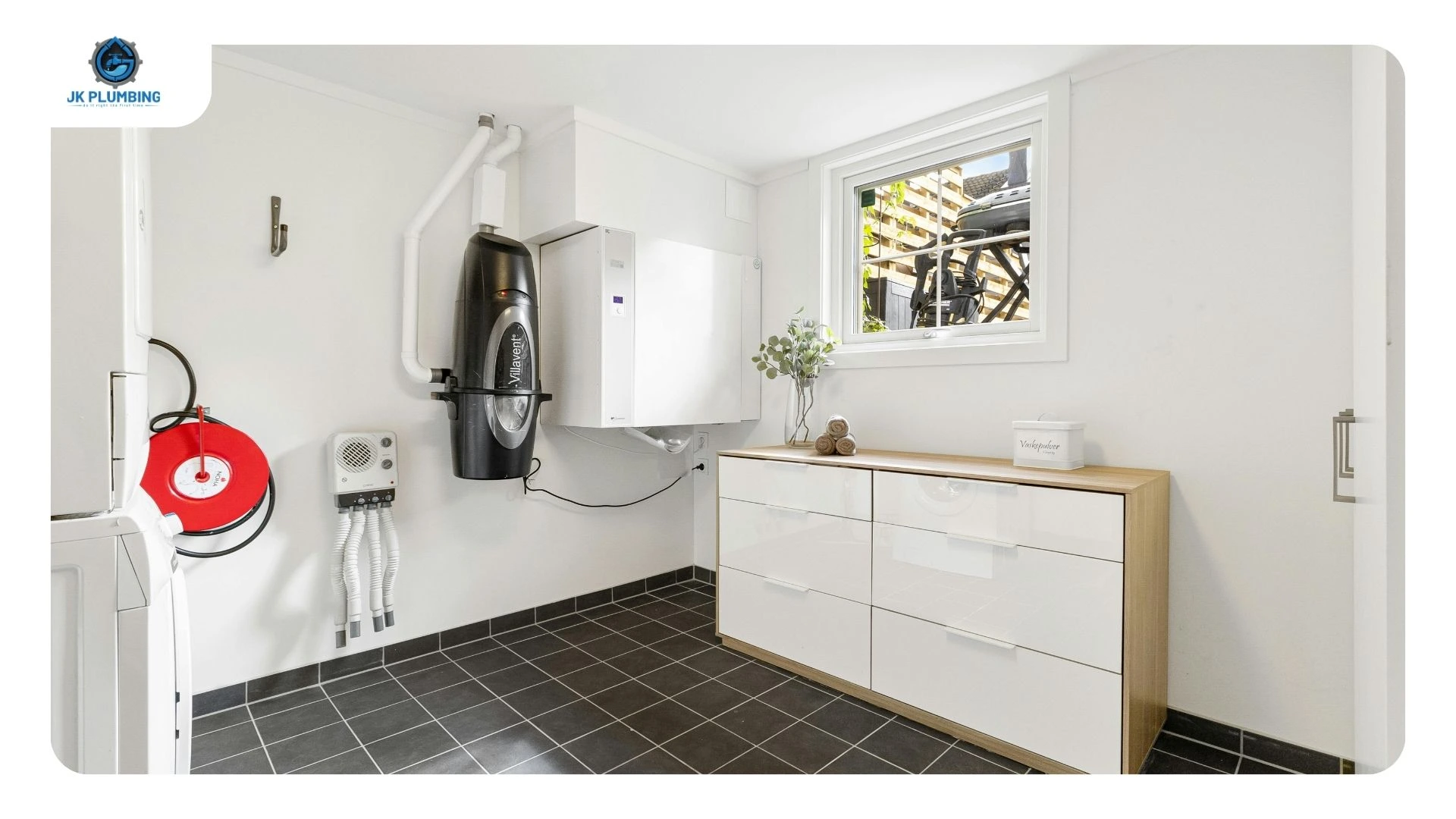
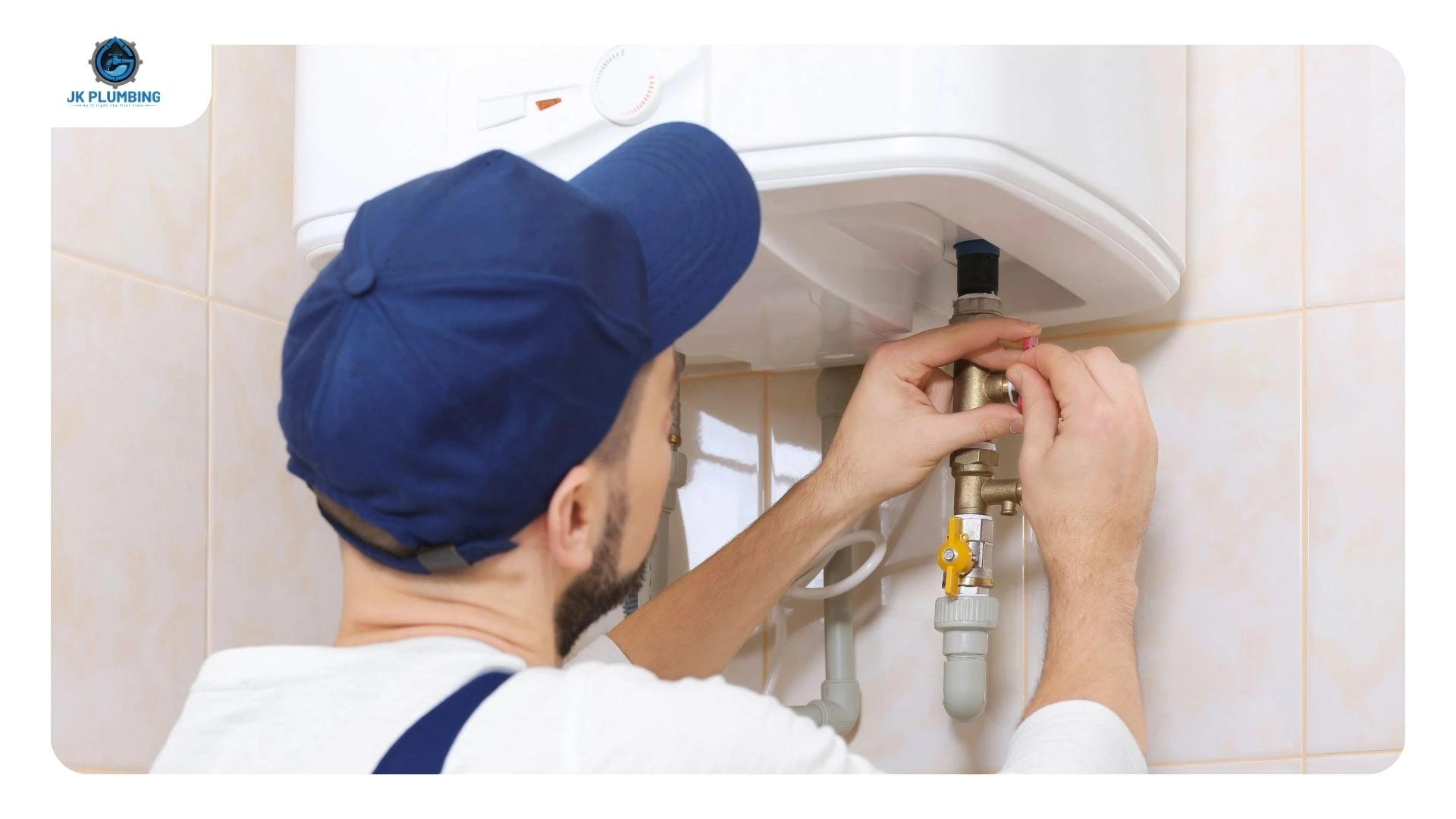
Sometimes, and the limit is rarely floor space — a tankless unit is wall-mounted and smaller than what it replaces.
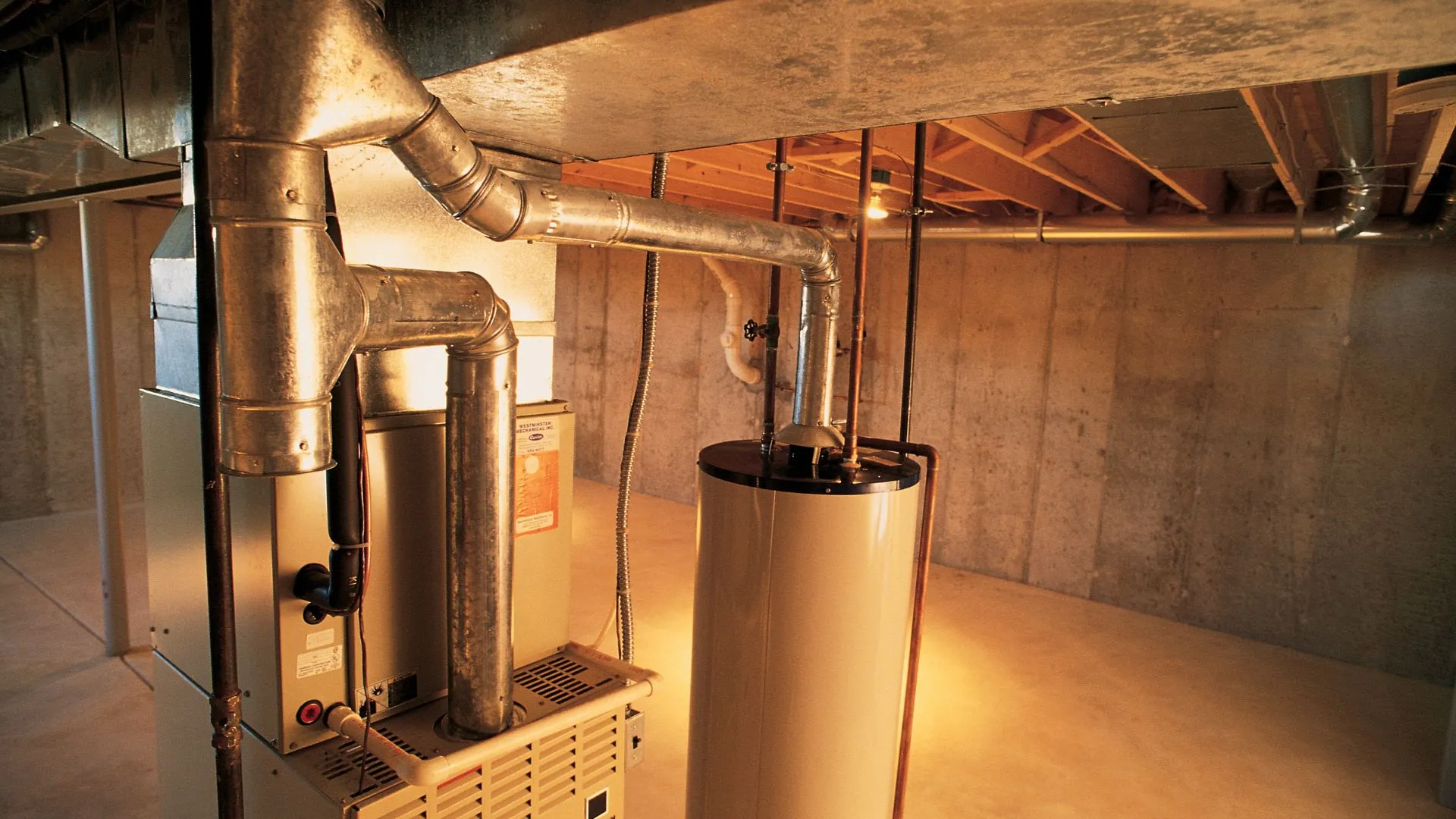
The constraint is venting. A tankless unit cannot reuse the old atmospheric flue. Condensing models vent through PVC or polypropylene, non-condensing models need stainless steel rated for the temperature, and either way it’s a dedicated sealed system, frequently out through a sidewall rather than up the old chimney. If the existing tank sits in an interior closet with a long run to the roof, the tankless unit often wants to move to an exterior wall.
There’s also a Mountain View-specific item worth knowing: city guidance calls for a minimum 36-inch horizontal clearance between the gas meter and a tankless unit. If your meter sits on the wall you were planning to mount the heater on, that decides the location for you.
For the broader placement and clearance rules — seismic strapping, pans, closet combustion air — where a water heater can be installed covers those in full and they apply the same way here.
The gas line question, which is where the money goes
This is the single biggest surprise in a tankless conversion.
A typical 50-gallon gas tank burns around 40,000 BTU per hour. A whole-house tankless unit runs 150,000 to 199,000 BTU per hour — roughly four to five times the demand, delivered all at once rather than spread across a recovery cycle.
The existing gas line very often can’t carry that. Upsizing usually means running a larger-diameter line from the meter to the unit, and the length of that run, what it passes through, and whether walls or a slab are involved is what drives the cost. In some cases the meter itself needs upgrading.
Here the three cities diverge again. Palo Alto owns its gas system — the only city in California operating its full utility suite — so a meter change there goes through City of Palo Alto Utilities. Los Altos and Mountain View are PG&E. Different applications, different lead times, same job. We handle the gas line and venting in-house either way, but the meter side runs on the utility’s clock, not ours, and it’s worth starting early.
Venting, condensate and the electrical bit
Three smaller items that are each capable of derailing a timeline:
- Condensate. Condensing tankless units produce acidic condensate that needs a drain and, in many installations, neutralisation before discharge. Mounting a unit somewhere with no drain within reach creates a problem.
- Electrical. Even gas tankless units need 120V power for the controls and fan. An exterior or garage wall with no nearby receptacle means an electrical run.
- Venting termination clearances. Sidewall terminations have minimum distances from windows, doors and air intakes. On the compact lots common in Mountain View and parts of Palo Alto, where houses sit close to the property line, this occasionally rules out the obvious wall.
When we’d tell you to stay with a tank
Honest cases where tankless isn’t the right call:
- Low or concentrated hot water use. A one- or two-person household that showers at the same time each morning gets limited benefit from endless hot water and pays the full conversion cost anyway.
- The gas upsize is disproportionate. Where the run from meter to unit is long or passes through finished space, the gas work alone can exceed the unit cost.
- Hard water with no treatment planned. A tankless unit in untreated Los Altos groundwater, with no descaling routine, will disappoint. If annual service isn’t realistic for you, a tank is more forgiving of neglect.
- You’re likely to electrify. If a heat pump water heater is where you’ll end up, spending on a larger gas line now is spending on infrastructure you plan to abandon. The Bay Area Air District’s zero-NOx standard is tiered by BTU input, and larger units including most residential tankless models fall into a later compliance tier than standard tanks — but the direction of travel is clear enough that it belongs in the decision. Our heat pump water heater page covers that route, and Palo Alto residents in particular have substantial rebates available.
If you’re weighing replacement generally rather than tankless specifically, when to choose water heater replacement in Palo Alto works through that, and water heater replacement covers the service.
Where we work
Palo Alto, Los Altos, Los Altos Hills and Mountain View, plus Menlo Park, Atherton, Sunnyvale and Redwood City, and north through the Peninsula to Burlingame and San Francisco.
Worth saying plainly: we quote tankless conversions after looking at your gas line, your meter location and your venting route. Not before.
Frequently asked questions
How long does a water heater installation take?
A like-for-like tank swap is three to four hours and usually same day. A first-time tank-to-tankless conversion is a full day and sometimes two, because of the gas line, venting, condensate and electrical work around the unit. Replacing an existing tankless unit with another is often a half day.
Is switching to tankless worth it here?
It depends heavily on which city you’re in. In Palo Alto’s soft Hetch Hetchy water, tankless performs well with modest maintenance. In Los Altos, where Cal Water’s groundwater has averaged over 300 ppm hardness, a tankless unit needs annual descaling and ideally pre-treatment — which is manageable if planned for and a disappointment if not. Mountain View sits between the two.
Can a tankless unit go where the old tank sat?
Often, but venting decides it rather than space. A tankless unit cannot reuse the old atmospheric flue; it needs dedicated sealed venting, frequently out through a sidewall. If the tank sits in an interior closet with a long flue run, the tankless unit usually wants an exterior wall. In Mountain View, city guidance also calls for 36 inches of horizontal clearance from the gas meter.
Does a tankless water heater need a bigger gas line?
Usually. A 50-gallon tank burns roughly 40,000 BTU per hour while a whole-house tankless unit runs 150,000 to 199,000 — four to five times the demand at once. Most existing lines need upsizing from the meter, and occasionally the meter itself needs upgrading. In Palo Alto that goes through City of Palo Alto Utilities; in Los Altos and Mountain View it’s PG&E.
How often does a tankless unit need descaling in Los Altos?
Plan on annually. Cal Water’s Los Altos district draws on local groundwater that averaged 305 ppm hardness across 2023–2025 — very hard on Cal Water’s own scale — alongside softer purchased water, so the blend varies through the year. Manufacturers commonly require documented service to keep the warranty valid, so this isn’t optional maintenance.
Visit or Call Us
JK Plumbing
Adress:1008 Edwards Rd Burlingame, CA 94010
Phone: (415) 359-4588
Hours: Monday–Saturday, open 24 hours. Closed Sunday.
Serving Palo Alto, Los Altos, Mountain View, Menlo Park, Atherton and the Peninsula.
CA License #1080266
RECENT POSTS
Hot Water Heater Replacement in San Francisco: Tank, Tankless or Upgrade?
October 29, 2026
No Comments
Read More »
Water Heater Replacement Near Me: San Francisco and Pacifica
October 28, 2026
No Comments
Read More »